
BugHerd alternatives
Seven BugHerd alternatives with entry pricing read off each vendor’s own page, plus an honest note on where BugHerd is still the better buy.
Layerdock
Free to start
Free forever, no card. Pro is $19/mo per workspace, with unlimited client reviewers on every plan.
BugHerd
from $50/mo
5 members, unlimited projects
Install
Nothing
Layerdock reviews a live site from a link. No extension for reviewers, and a snippet only for private staging.
Free forever, no card. Clients just open the link, nothing to install.
How this list was made
Every price below was read off that vendor’s own pricing page on , not from a directory or another roundup. Where a vendor publishes no price, the entry says so rather than guessing. Layerdock makes one of the tools on this list, so it is listed first and marked as ours. The rest follow in verified entry-price order, and the section on where BugHerd is still the better buy is real.
Why teams look for a BugHerd alternative
BugHerd is the established name in visual website feedback, and most teams shopping for an alternative are not unhappy with the product. They are unhappy with the bill. Standard is $50/mo for 5 members with extra members at $8/mo each, so the cost tracks headcount rather than workload. An agency that adds two designers and a QA contractor for one busy quarter pays for them every month after.
The second reason is technical depth. BugHerd attaches browser and OS metadata to each pin, which tells a developer what the reporter was using but not what the page actually did. When a client reports something intermittent, reproducing it still falls to whoever picks up the ticket, and that is where the hours go.
Neither of those is a flaw so much as a fit question. The list below is ordered by verified entry price, ascending, which puts some tools above us.
What to look for in a BugHerd alternative
1Install model
A snippet on the page, an extension, or just a link. This decides whether you can review a site you cannot deploy to.
2Technical depth
Console and network capture on every report, or visual comments only. Check which plan the read sits on.
3Where issues live
A built-in board, a push to your tracker, or two-way sync. Pick the one your team already works in.
4Review tooling
Pins, drawing, screenshots, recordings and responsive widths, and whether clients can use them without an account.
5Pricing structure
Per workspace or per seat, what the entry plan actually includes, and what a reviewer costs. Compare the tier that carries the features you need.
7 alternatives to BugHerd at a glance
| Tool | Entry price | Free plan | How it captures |
|---|---|---|---|
| Layerdock | Free, then $19/mo | Free forever, no card | Hosted link, live site |
| Ybug | €13/mo | 1 member, 1 project, 50 screenshots a month | Widget + browser extension |
| Ruttl | $18/user/mo | 5 users, 1 project, 5 pages | Live-site review with CSS editing |
| Marker.io | $39/mo | Trial only | Widget embedded via script tag |
| Userback | $39/mo | 2 seats, 2 projects, 7-day retention | Widget + browser extension |
| Feedbucket | $49/mo | Trial only | Widget embedded via script tag |
| Atarim | $67/mo | 200 one-time credits, 1 site | Live-site review, WordPress-oriented |

1. Layerdock
Layerdock is our product, so we list it first. Every other price on this page is read off the vendor’s own site.
Per workspace, unlimited reviewers
Why it fits
Priced per workspace rather than per member, so adding people does not move the bill, and client reviewers are unlimited and free on every tier. Pins stay anchored to their element through a redeploy, and a dock holds multiple build versions so staging feedback and last week’s release stay in separate threads.
Where it is worse
We make this one. No built-in task board. Feedback pushes to Slack, Linear, GitHub, Jira, Trello or ClickUp. The entry plan caps you at 5 docks where BugHerd gives you unlimited projects, and console and network diagnostics are on the Agency plan at $69/mo ($59/mo billed yearly), not the $19 one. If diagnostics are the reason you are looking, that is more than BugHerd’s $50 entry price; what it buys is one workspace price for unlimited docks and up to 20 team members, with no per-member fee past 5.
Best for: Agencies and dev teams that want technical context attached to every pin without asking the client for it.
2. Ybug
3 members, 3 projects
Why it fits
The cheapest credible swap. It captures console output, which BugHerd does not, and ships both a widget and a browser extension, so like BugHerd it can review sites you have no deploy access to.
Where it is worse
Priced in euros, and the entry plan caps you at 3 members and 3 projects against BugHerd’s unlimited projects. No task board.
Best for: Small teams who want console and network capture on a genuinely cheap plan and can work in euros.
3. Ruttl
Unlimited projects, unlimited guests
Why it fits
The only tool here that lets a reviewer edit CSS and propose the visual change rather than describe it. Unlimited projects and unlimited guests, which removes BugHerd’s project ceiling worry entirely.
Where it is worse
Priced per user, so it reproduces exactly the headcount problem people leave BugHerd over. It is only cheaper while the team is small.
Best for: Designers who want to propose a visual change rather than only describe it.
4. Marker.io
3 users, billed annually ($59 monthly)
Why it fits
The strongest issue-tracker sync in the category. Feedback becomes a properly-formed Jira, Linear or Azure DevOps ticket and the reply thread syncs back, so an external reporter can follow an issue without a seat in your tracker.
Where it is worse
It is a widget installed via script tag, so unlike BugHerd it cannot review a client site you cannot deploy to. Console and network capture is on the $149/mo Team plan.
Best for: Dev teams already living inside Jira, Linear or Azure DevOps who want feedback to land there as a properly-formed issue.
5. Userback
5 seats, 5 projects ($29 annually)
Why it fits
The broadest product on the list: visual feedback plus session replay, surveys and feature voting. If BugHerd feels too narrow because you also want to hear from end users, this is the direction to go.
Where it is worse
Seat-priced at 5 seats on the entry plan, and unlimited seats only start at $99/mo, so the thing that pushed you off BugHerd is still here. Built around product teams rather than agency review rounds.
Best for: Product teams running a whole feedback lifecycle, not just an agency review round.
6. Feedbucket
2 members, unlimited projects ($39 annually)
Why it fits
The closest thing to BugHerd minus the sprawl: a focused agency review tool with nothing bolted on, and no per-member overage.
Where it is worse
Script tag only, and the entry plan is 2 members, a much tighter seat cap than BugHerd Standard’s 5 at a similar price.
Best for: Web agencies that want a focused tool with nothing extra bolted on.
7. Atarim
5,000 credits, up to 100 seats
Why it fits
Built around WordPress. If most of what you review is WordPress sites, its automation and its up-to-100-seat entry plan solve the per-member problem outright.
Where it is worse
The highest entry price on this list, and the credit-based model needs checking against your actual volume. Much less useful outside WordPress.
Best for: WordPress agencies that want automation alongside review.
Try the alternative that needs no install
Paste your site, send one review link, and see how it feels next to your current tool.
Free forever, no card. Clients just open the link, nothing to install.
Everything in Layerdock, in one place
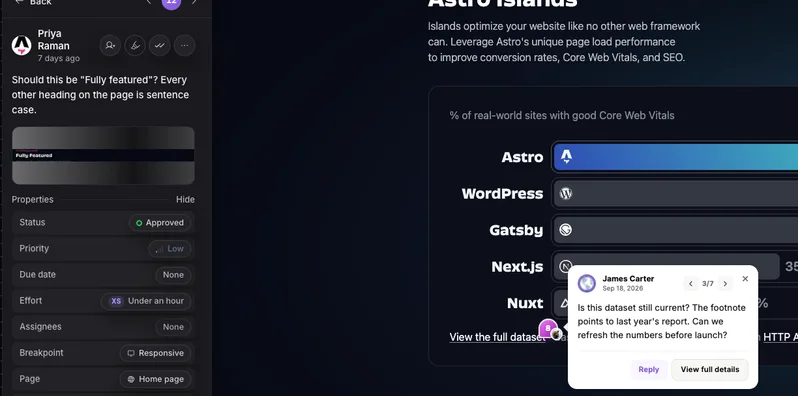
Pin it on the live page
Reviewers click any element on the real site and leave a comment. Nothing to install.
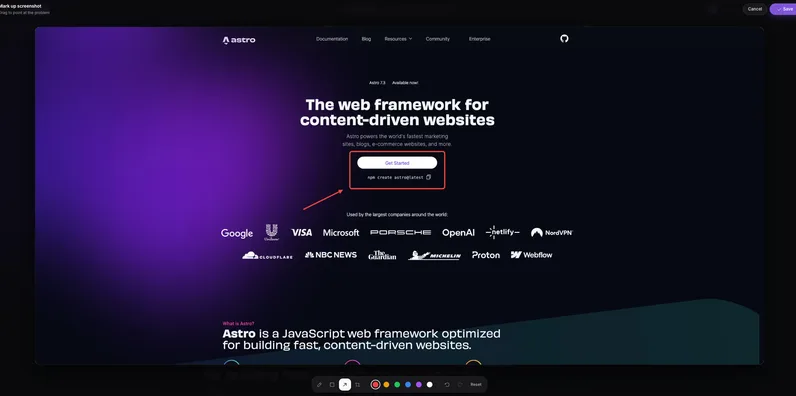
Draw and annotate
Mark up a screenshot with arrows and shapes so the change is obvious.
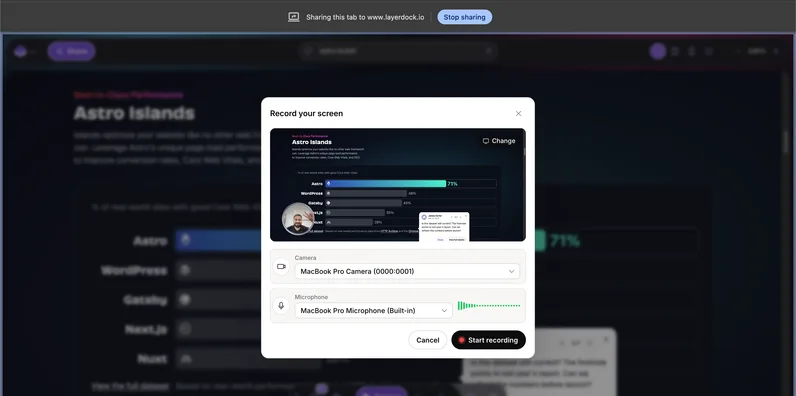
Record the problem
Screen recordings attach to the pin, so nobody has to explain it twice.
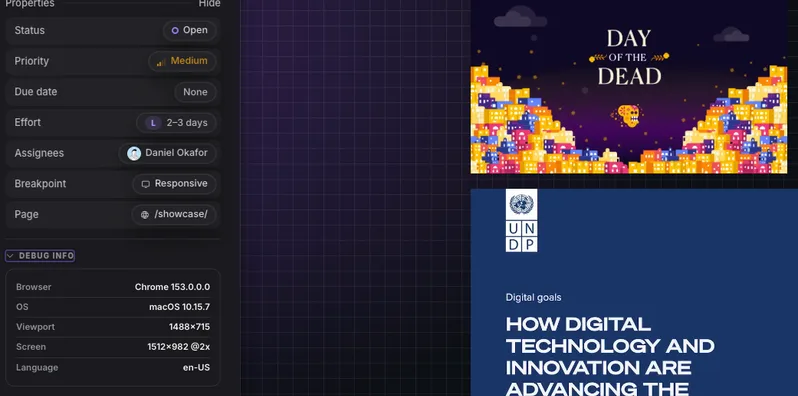
Console and network context
Every pin carries the errors and failed requests behind it for your developers.
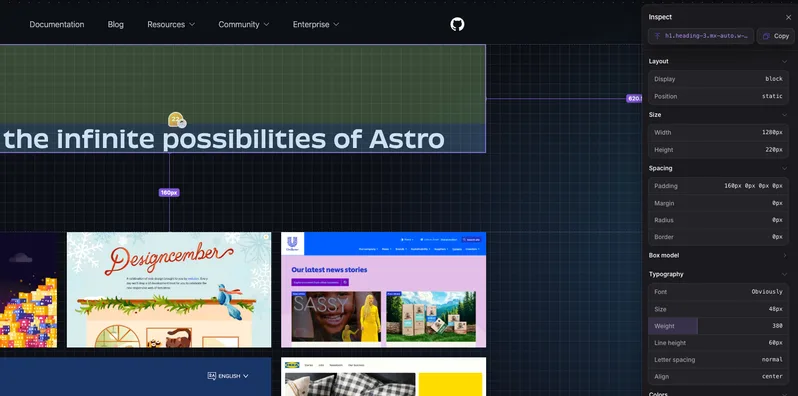
Inspect the element
See the exact element, its styles and its accessibility details from the pin.
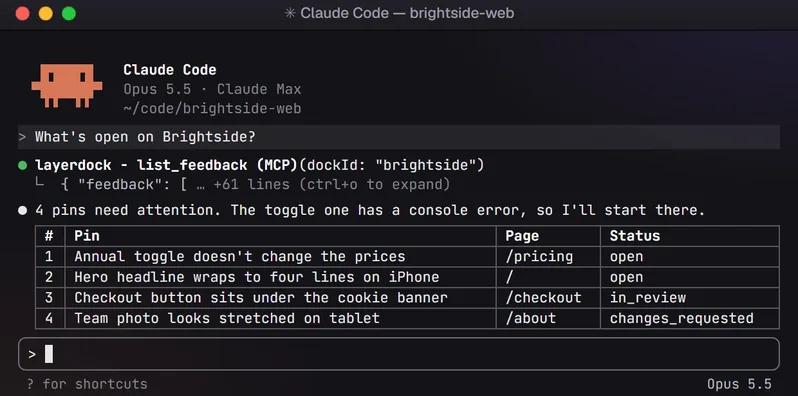
Hand it to your AI agent
Connect over MCP so your coding agent reads the feedback and fixes it.
How it works
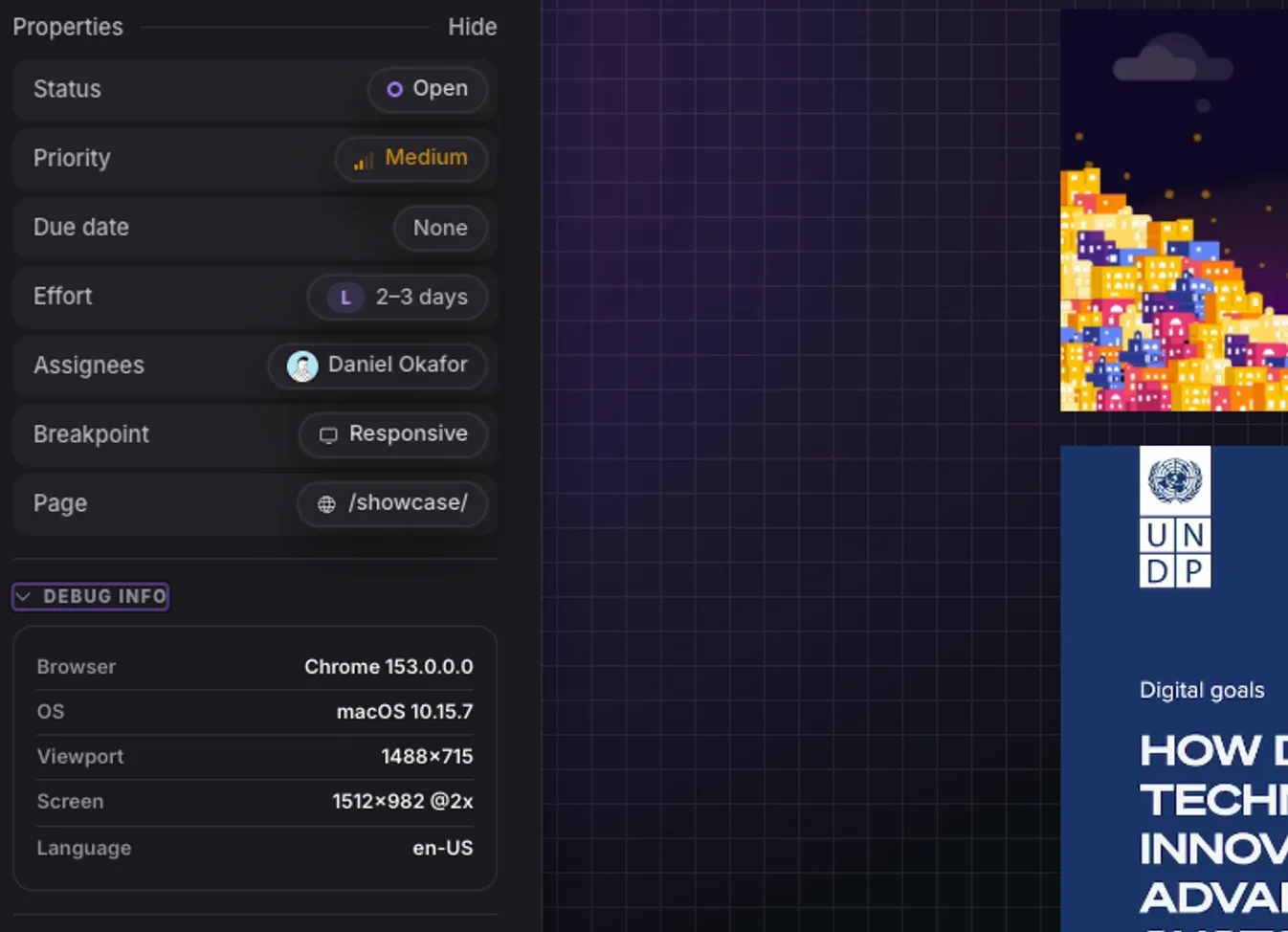
1. Capture
Paste your site URL into a dock.

2. Share
Send the link. Clients need no account.

3. See
Every pin lands in one place, with context.
When to stay with BugHerd
- BugHerd has a genuine built-in kanban board. Feedback becomes a task you triage and assign without exporting it anywhere. Most of this list, Layerdock included, assumes you already have a tracker and pushes into it instead, so if you want one product to be both the review surface and the project board, switching costs you that.
- It also gives you unlimited projects at the entry tier. Several tools here, ours among them, cap projects on the entry plan, so a studio juggling twenty small client sites can genuinely be better off on BugHerd even at $50/mo.
- And it has the longest track record in the category. If someone else has to approve this decision, BugHerd has far more third-party reviews and case studies to point at than anything else on this page.
When to switch, and to what
Layerdock
Agencies and dev teams that want technical context attached to every pin without asking the client for it.
Ybug
Small teams who want console and network capture on a genuinely cheap plan and can work in euros.
Ruttl
Designers who want to propose a visual change rather than only describe it.
Marker.io
Dev teams already living inside Jira, Linear or Azure DevOps who want feedback to land there as a properly-formed issue.
Userback
Product teams running a whole feedback lifecycle, not just an agency review round.
Feedbucket
Web agencies that want a focused tool with nothing extra bolted on.
Atarim
WordPress agencies that want automation alongside review.
Making the switch
- 1
Export what matters
List the open feedback in BugHerd and move anything still live into your tracker. Closed history rarely needs to come along.
- 2
Create a dock
Paste the site URL into Layerdock. It loads the live site through a hosted review link, with nothing to install and no code change.
- 3
Share the link
Send the client link to reviewers. They pin comments on the real page with no account and no extension.
- 4
Connect your tracker
Push feedback out to Slack, Linear, GitHub, Jira, Trello or ClickUp so it lands where the work happens.
- 5
Run both for one round
Keep the old tool on a single project until the first review round closes, then cut over.
Common questions
What is the cheapest BugHerd alternative?
Of the tools whose pricing we could verify on the vendor’s own site, Ybug is the cheapest at €13/mo for 3 members and 3 projects, followed by Ruttl at $18/user/mo and Layerdock at $19/mo per workspace. Cheapest is rarely the right frame though. BugHerd’s $50/mo includes 5 members and unlimited projects, so a five-person team on many small sites can find it works out lower than a per-user tool.
Which BugHerd alternative does not charge per team member?
Layerdock is priced per workspace ($19/mo Pro, $69/mo Agency or $59/mo billed yearly) with unlimited client reviewers on every tier. Atarim’s entry plan allows up to 100 seats. Feedbucket and Ybug charge for a fixed small number of members rather than metering additions. Ruttl and Userback are seat-priced, so they carry the same headcount cost that usually prompts the search.
Which alternatives capture console errors like a developer needs?
Ybug records a limited console log on its €13 entry plan and full console and network logs from €29. Layerdock captures the last 50 console entries with stack traces and the last 50 network requests on every pin, though reading that bundle requires the Agency plan ($69/mo, or $59/mo billed yearly). Marker.io captures it on the $149/mo Team plan. BugHerd itself records browser and OS metadata but not console output.
Can I review a client site I cannot deploy code to?
Yes, with BugHerd, Ybug or Userback, all of which offer a browser extension, or with Layerdock, which loads a public site from its review link with nothing installed. Marker.io and Feedbucket are widget-based and need a script tag deployed to the page first, which rules them out for client sites you have no access to. This is usually the constraint that decides the shortlist for an agency.
Do reviewers need an account on these tools?
Generally no. Free unlimited client reviewers is standard across BugHerd, Marker.io, Layerdock and most of this list. It is table stakes in the category rather than a differentiator. The real question is what has to be installed: an extension once per reviewer, a script tag on the site, or nothing at all because the tool loads the page from a link, as Layerdock does for public sites.
Review the live site, with nothing to install
Paste a URL, share the link, and your client pins comments on the real page. Plans start free.
More comparisons
Marker.io alternatives
7 tools compared
MarkUp.io alternatives
6 tools compared
Userback alternatives
6 tools compared
Huddlekit alternatives
7 tools compared
Ybug alternatives
7 tools compared
Ruttl alternatives
7 tools compared
Jam.dev alternatives
6 tools compared
Pastel alternatives
7 tools compared
SureFeedback alternatives
7 tools compared
Feedbucket alternatives
7 tools compared
PageProofer alternatives
7 tools compared
Bird Eats Bug alternatives
6 tools compared
Atarim alternatives
7 tools compared
zipBoard alternatives
6 tools compared
Usersnap alternatives
7 tools compared
Want the whole category rather than one shortlist? Compare 17 website feedback tools, read what a dock is, or see Layerdock pricing.