
Ybug alternatives
Short answer
Ybug is cheap at €13/mo, but members and projects rise together and full console logs start at €29. Layerdock (free, then $19/mo per workspace) suits client review with no extension to install, Jam.dev ($14/creator/mo) suits engineers filing bugs with recordings, and Marker.io ($39/mo) suits Jira-heavy teams. Stay on Ybug if you want the cheapest full console and network logs, at €29/mo or €23 billed yearly.
Seven Ybug alternatives with entry pricing read off each vendor’s own page, and an honest note on where Ybug is still the cheaper route to console logs.
Layerdock
Free to start
Free forever, no card. Pro is $19/mo per workspace, with unlimited client reviewers on every plan.
Ybug
from €13/mo
3 members, 3 projects
Install
Nothing
Layerdock reviews a live site from a link. No extension for reviewers, and a snippet only for private staging.
Free forever, no card. Clients just open the link, nothing to install.
How this list was made
Every price below was read off that vendor’s own pricing page on , not from a directory or another roundup. Where a vendor publishes no price, the entry says so rather than guessing. Layerdock makes one of the tools on this list, so it is listed first and marked as ours. The rest follow in verified entry-price order, and the section on where Ybug is still the better buy is real.
Why teams look for a Ybug alternative
Ybug is the cheapest credible option in the live-site group, so teams leaving it are usually not leaving over the price. The first reason is the shape of the limits. Member and project caps rise together, 3 and 3 on Basic, then 7, then 15, so a team that needs eight seats also pays for projects it may not want.
The second is a common misreading of the entry plan. The €13 Basic plan records only a limited console log. Full console and network logs start on Startup at €29 a month (€23 billed annually) for 7 members, so the headline price is not the price of the feature most people come for.
The third is practical rather than financial. Pricing is in euros, which adds some friction for US teams, and the browser extension has to be installed once per reviewer. For a client who will leave six comments and never come back, that is a real ask.
What to look for in a Ybug alternative
1Install model
A snippet on the page, an extension, or just a link. This decides whether you can review a site you cannot deploy to.
2Technical depth
Console and network capture on every report, or visual comments only. Check which plan the read sits on.
3Where issues live
A built-in board, a push to your tracker, or two-way sync. Pick the one your team already works in.
4Review tooling
Pins, drawing, screenshots, recordings and responsive widths, and whether clients can use them without an account.
5Pricing structure
Per workspace or per seat, what the entry plan actually includes, and what a reviewer costs. Compare the tier that carries the features you need.
7 alternatives to Ybug at a glance
| Tool | Entry price | Free plan | How it captures |
|---|---|---|---|
| Layerdock | Free, then $19/mo | Free forever, no card | Hosted link, live site |
| Jam.dev | $14/creator/mo | 30 captures and 5 recording links a month | Browser extension + iOS app |
| Ruttl | $18/user/mo | 5 users, 1 project, 5 pages | Live-site review with CSS editing |
| Marker.io | $39/mo | Trial only | Widget embedded via script tag |
| Userback | $49/mo | 2 seats, 2 sites, 7-day feedback access | Widget + browser extension |
| BugHerd | $50/mo | Trial only | Extension or JS snippet, live site |
| Bird Eats Bug | $50/mo | 15 uploads a month | Screen recording + browser extension |

1. Layerdock
Layerdock is our product, so we list it first. Every other price on this page is read off the vendor’s own site.
Per workspace, unlimited reviewers
Why it fits
Priced per workspace rather than per member and project, and priced in dollars. Reviewers open a share link with nothing to install, and the console and network bundle is recorded on every pin.
Where it is worse
We make this one. The bundle is read on the Agency plan at $69/mo ($59/mo billed yearly), more than Ybug’s €29 for the same capture, and the $19 Pro plan caps you at 5 docks. No two-way tracker sync and no built-in task board.
Best for: Agencies and dev teams that want technical context attached to every pin without asking the client for it.
2. Jam.dev
Billed yearly, 50 creator seats
Why it fits
Technical context in one link: a screen recording with console logs, network data and user actions. A free tier of 30 captures and 5 recording links a month.
Where it is worse
Built for engineers and QA who have a seat, not for a client pinning comments on a page. Priced per creator at $14/mo billed yearly.
Best for: Internal engineering and QA teams filing bugs to each other, not clients reviewing a build.
3. Ruttl
Unlimited projects, unlimited guests
Why it fits
Unlimited projects and guests on Pro, which removes the project ceiling, and reviewers can edit the page directly to show a change. Dollar pricing.
Where it is worse
Per-user pricing at $18/user/mo, so it only stays cheap while the team is small. It does not capture console or network data.
Best for: Designers who want to propose a visual change rather than only describe it.
4. Marker.io
3 users, billed annually ($59 monthly)
Why it fits
The strongest tracker sync in the category: a properly-formed Jira, Linear or Azure DevOps ticket with the thread syncing back to the reporter.
Where it is worse
A script-tag widget, so it needs deploy access where Ybug has an extension. Console and network capture is on the $149/mo Team plan.
Best for: Dev teams already living inside Jira, Linear or Azure DevOps who want feedback to land there as a properly-formed issue.
5. Userback
5 seats, 5 sites ($39 annually)
Why it fits
A real free tier (2 seats, 2 projects) and a much broader product: session replay, surveys and feature voting alongside visual feedback. Widget and extension, like Ybug.
Where it is worse
Seat-priced at 5 seats on the $39/mo plan, and aimed at product teams more than agencies. Feedback is retained only 7 days on the free tier.
Best for: Product teams running a whole feedback lifecycle, not just an agency review round.
6. BugHerd
5 members, unlimited projects
Why it fits
A built-in kanban board, so feedback becomes a triaged task without an export step, with unlimited projects from the entry tier and an extension as well as a snippet.
Where it is worse
$50/mo for 5 members with extras at $8/mo each, and it attaches browser and OS metadata rather than console output.
Best for: Agencies that want feedback and task management in one product and are willing to pay for maturity.
7. Bird Eats Bug
5 members, unlimited recordings
Why it fits
A screen recording with console and network logs attached, so a developer can watch the bug happen. Even its free tier (15 uploads a month) includes the logs.
Where it is worse
Bug capture rather than client review: no pin-on-the-page workflow for a stakeholder. $50/mo for 5 members, $10 each extra.
Best for: QA and support teams who need a replay, not a pin.
Try the alternative that needs no install
Paste your site, send one review link, and see how it feels next to your current tool.
Free forever, no card. Clients just open the link, nothing to install.
Everything in Layerdock, in one place
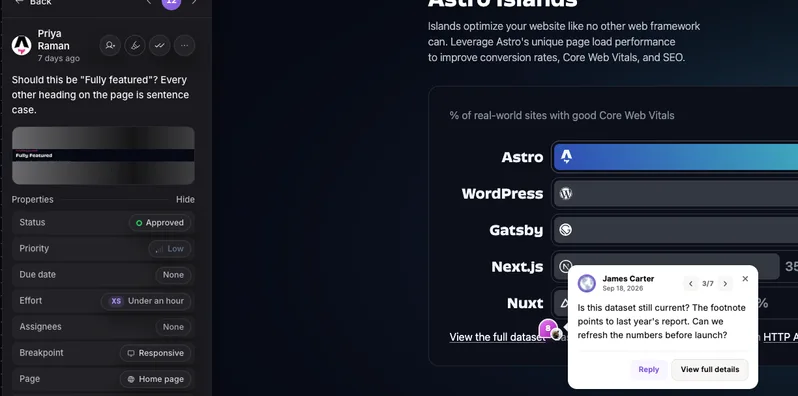
Pin it on the live page
Reviewers click any element on the real site and leave a comment. Nothing to install.
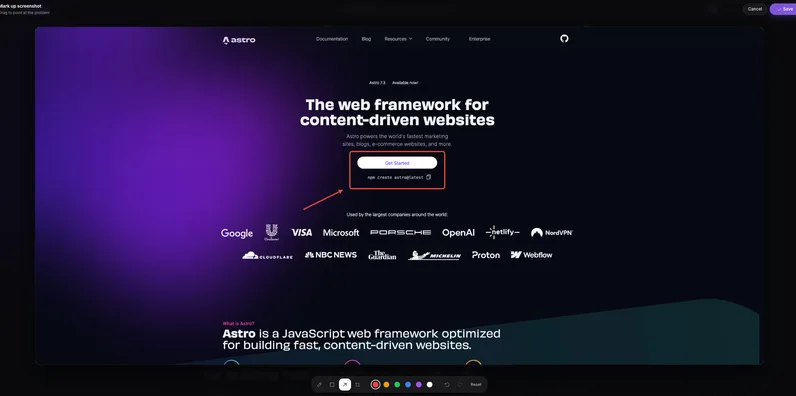
Draw and annotate
Mark up a screenshot with arrows and shapes so the change is obvious.
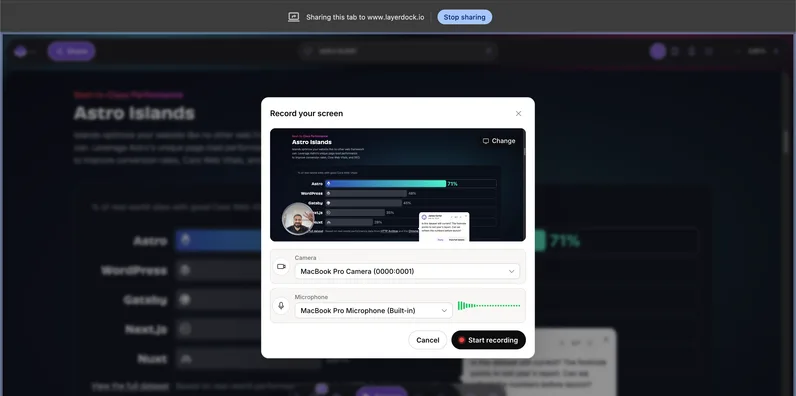
Record the problem
Screen recordings attach to the pin, so nobody has to explain it twice.
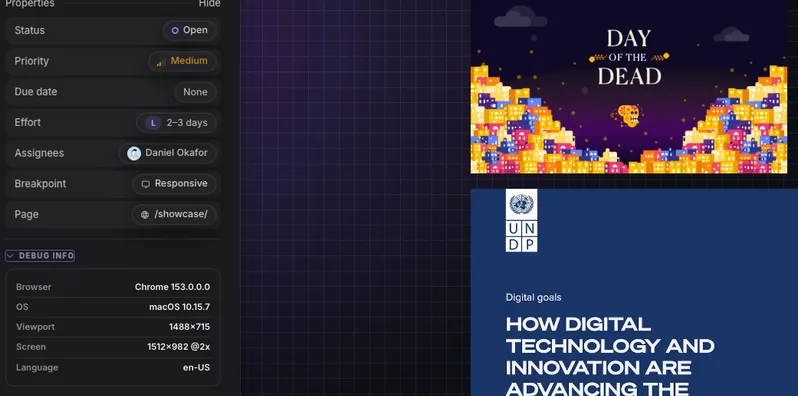
Console and network context
Every pin carries the errors and failed requests behind it for your developers.
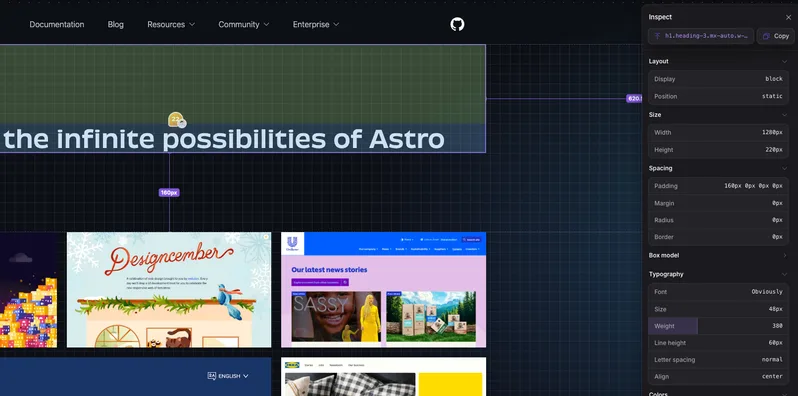
Inspect the element
See the exact element, its styles and its accessibility details from the pin.
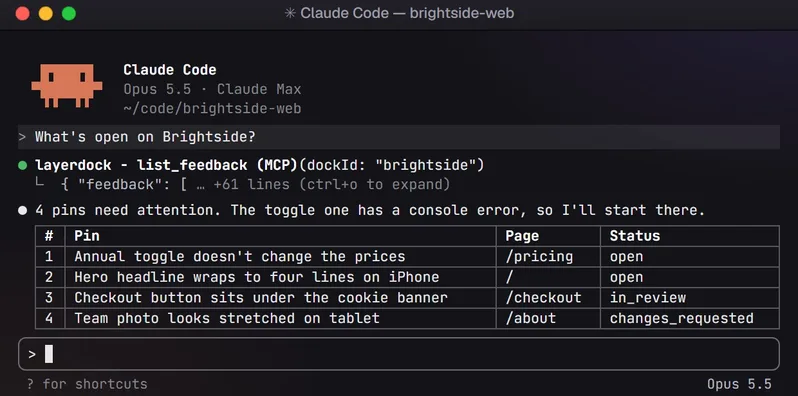
Hand it to your AI agent
Connect over MCP so your coding agent reads the feedback and fixes it.
How it works
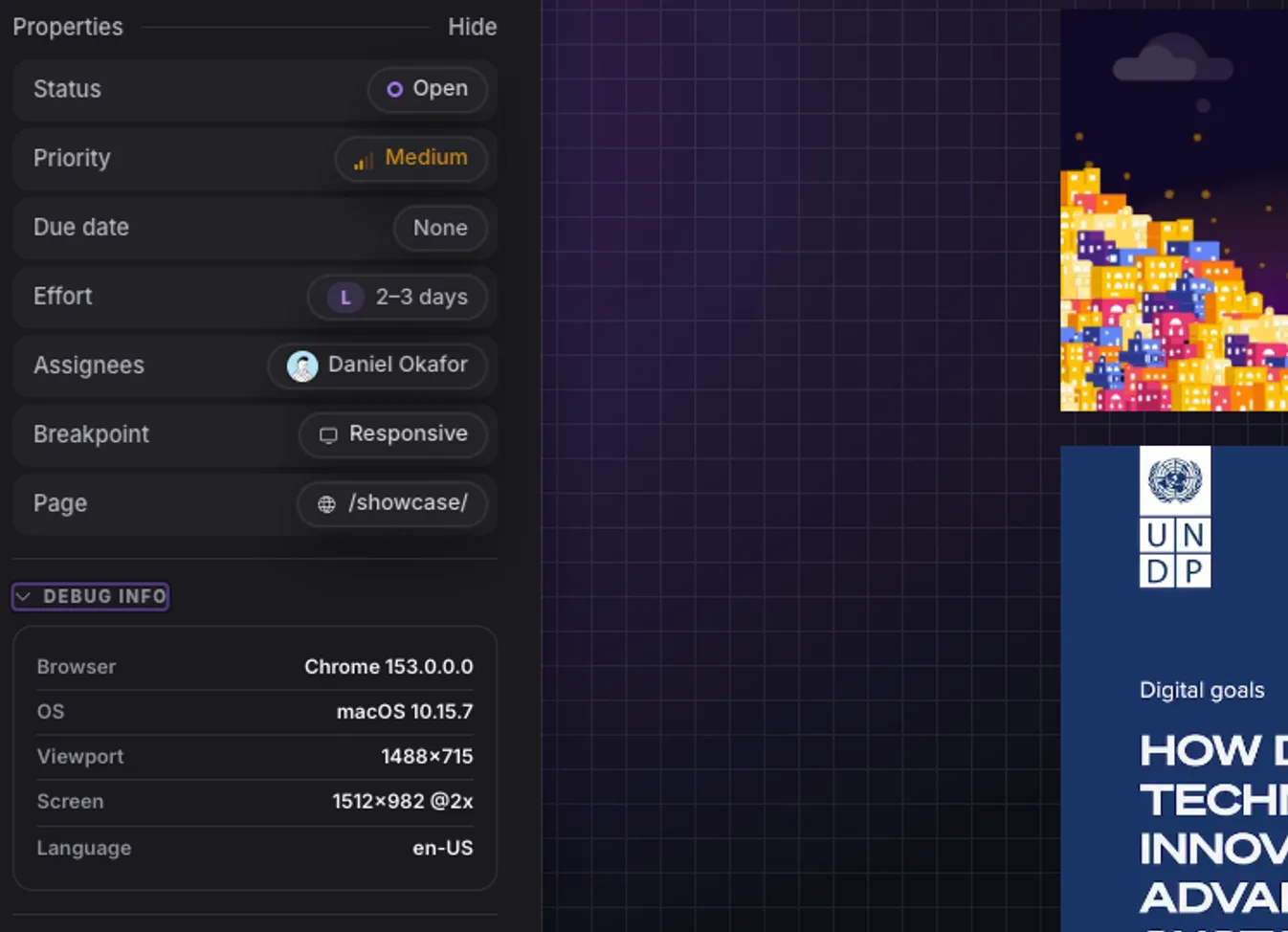
1. Capture
Paste your site URL into a dock.
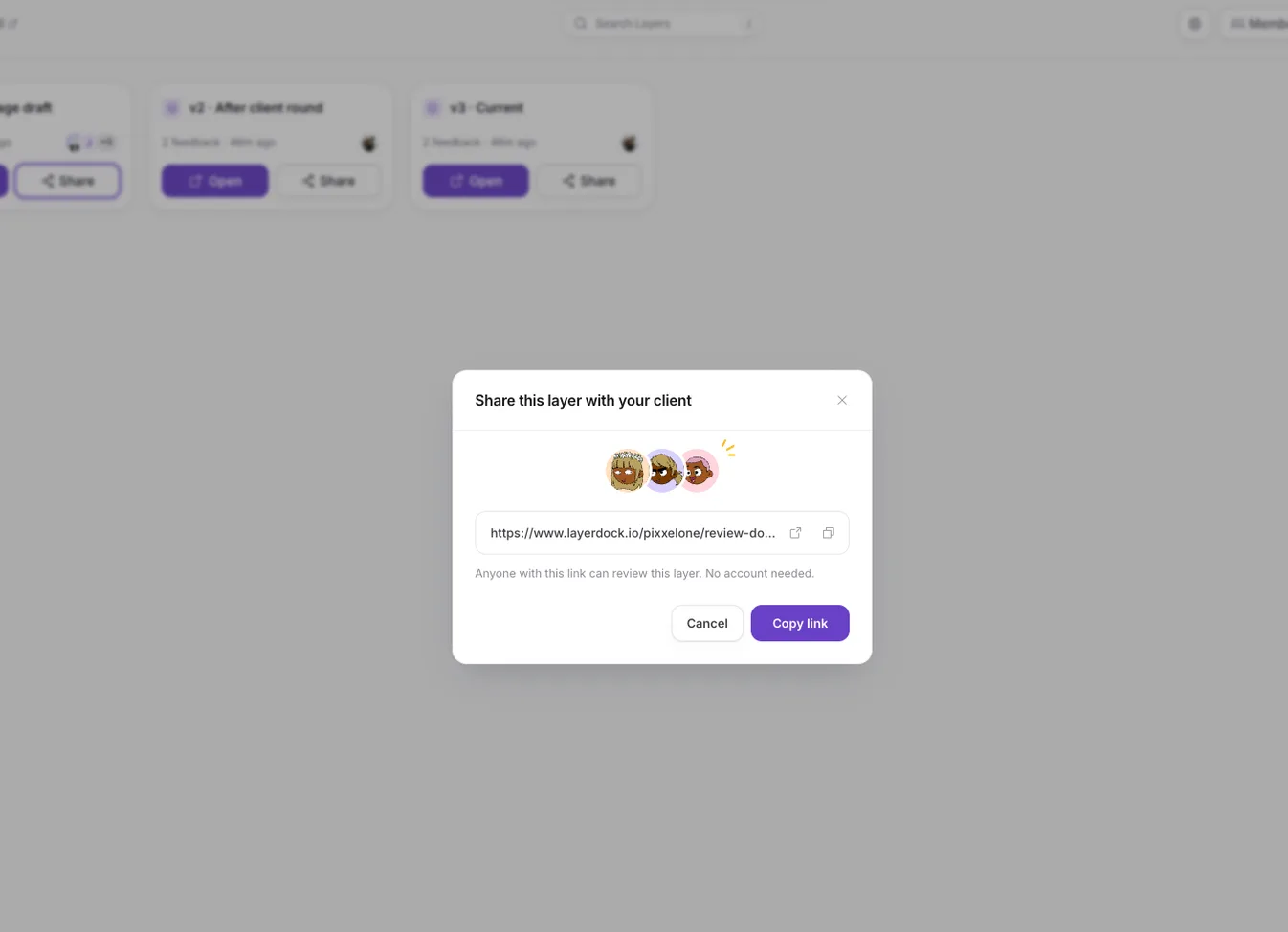
2. Share
Send the link. Clients need no account.
3. See
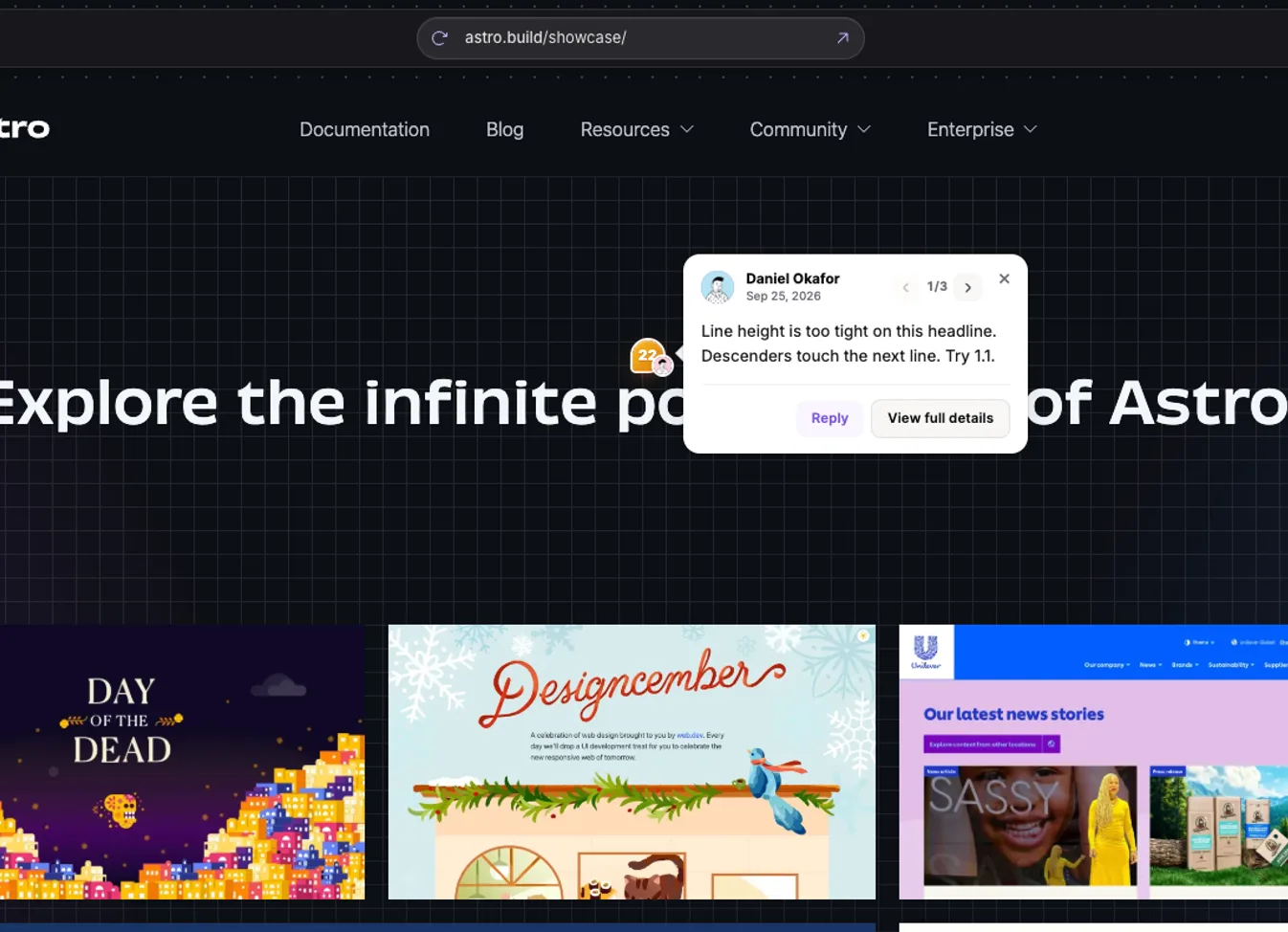
Every pin lands in one place, with context.
When to stay with Ybug
- Ybug is the cheapest route in the live-site group to full console and network logs, at €29/mo or €23 billed annually. Several tools below charge a multiple of that for the same capture.
- It offers both an embedded widget and a browser extension, so it works on your own staging and on sites you cannot deploy to. Widget-only tools cannot say that.
- There is a free tier (1 member, 1 project, 50 screenshots a month) and a 10-day trial of the paid plans, which lets a small team test it properly at no cost.
When to switch, and to what
Layerdock
Agencies and dev teams that want technical context attached to every pin without asking the client for it.
Jam.dev
Internal engineering and QA teams filing bugs to each other, not clients reviewing a build.
Ruttl
Designers who want to propose a visual change rather than only describe it.
Marker.io
Dev teams already living inside Jira, Linear or Azure DevOps who want feedback to land there as a properly-formed issue.
Userback
Product teams running a whole feedback lifecycle, not just an agency review round.
BugHerd
Agencies that want feedback and task management in one product and are willing to pay for maturity.
Bird Eats Bug
QA and support teams who need a replay, not a pin.
Making the switch
- 1
Export what matters
List the open feedback in Ybug and move anything still live into your tracker. Closed history rarely needs to come along.
- 2
Create a dock
Paste the site URL into Layerdock. It loads the live site through a hosted review link, with nothing to install and no code change.
- 3
Share the link
Send the client link to reviewers. They pin comments on the real page with no account and no extension.
- 4
Connect your tracker
Push feedback out to Slack, Linear, GitHub, Jira, Trello or ClickUp so it lands where the work happens.
- 5
Run both for one round
Keep the old tool on a single project until the first review round closes, then cut over.
Common questions
What is the cheapest Ybug alternative?
Ybug is itself the cheapest credible option in the live-site group at €13/mo, so alternatives mostly cost more. The closest entry prices are Jam.dev at $14/creator/mo billed yearly, Ruttl at $18/user/mo and Layerdock at $19/mo per workspace. If you need full console and network logs, compare against Ybug Startup at €29/mo (€23 billed annually) rather than the €13 plan.
Which Ybug alternative does not tie members to projects?
Layerdock prices the workspace, so there is no member-and-project ladder: $19/mo Pro (7 team members, 5 docks) or $69/mo Agency ($59/mo billed yearly, 20 members, unlimited docks). Ruttl gives unlimited projects on Pro but charges per user. BugHerd gives unlimited projects at $50/mo with 5 members.
Does Ybug capture console errors on the €13 plan?
Only a limited console log. Full console and network logs start on the Startup plan at €29/mo (€23 billed annually). Among alternatives, Jam.dev and Bird Eats Bug include console and network logs in each capture, Layerdock records them on every pin and reads them on the Agency plan, and Marker.io has them on its $149/mo Team plan.
Can I review a client site I cannot deploy to?
Yes with Ybug, which has a browser extension, and with BugHerd and Userback, which offer one too. Layerdock loads a public site from its review link with nothing installed, and Ruttl loads it through a proxy. Marker.io and Feedbucket are widget-only and need a script tag on the page.
Do reviewers have to install anything?
With Ybug’s extension, each reviewer installs it once. With Layerdock, reviewers open a share link and need no install or account for a public site. Free unlimited client reviewers is standard across BugHerd, Marker.io, Layerdock and most of this list, so the real question is what has to be installed.
Review the live site, with nothing to install
Paste a URL, share the link, and your client pins comments on the real page. Plans start free.
More comparisons
BugHerd alternatives
7 tools compared
Marker.io alternatives
7 tools compared
MarkUp.io alternatives
6 tools compared
Userback alternatives
6 tools compared
Huddlekit alternatives
7 tools compared
Ruttl alternatives
7 tools compared
Jam.dev alternatives
6 tools compared
Pastel alternatives
7 tools compared
SureFeedback alternatives
7 tools compared
Feedbucket alternatives
7 tools compared
PageProofer alternatives
7 tools compared
Bird Eats Bug alternatives
6 tools compared
Atarim alternatives
7 tools compared
zipBoard alternatives
6 tools compared
Usersnap alternatives
7 tools compared
Simple Commenter alternatives
7 tools compared
Want the whole category rather than one shortlist? Compare 17 website feedback tools, see the best client feedback tools for web development by job, read what a dock is, or see Layerdock pricing.